



Make an AI testimonial video
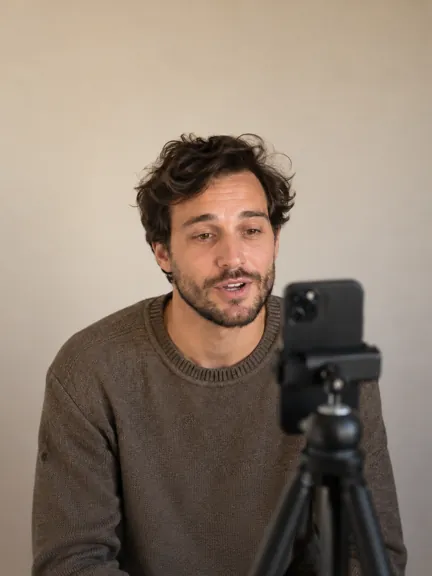
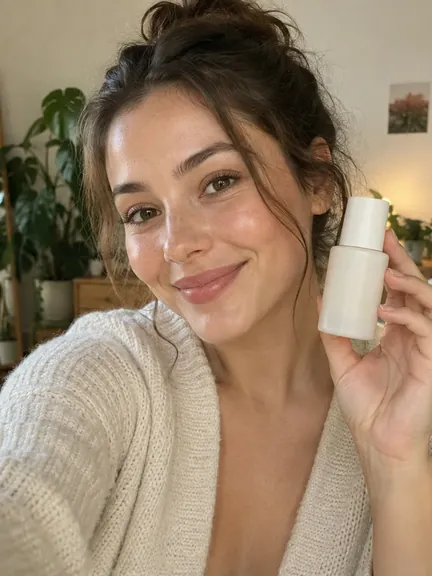
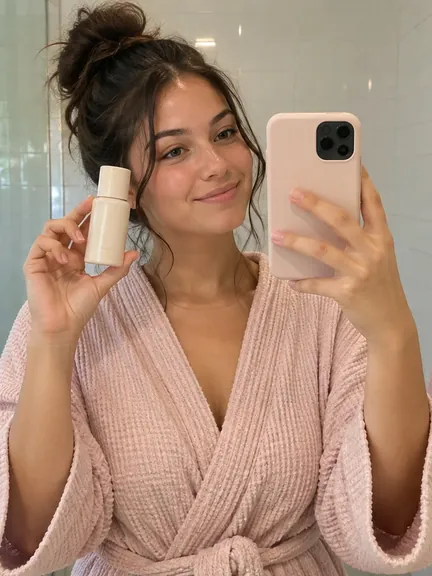
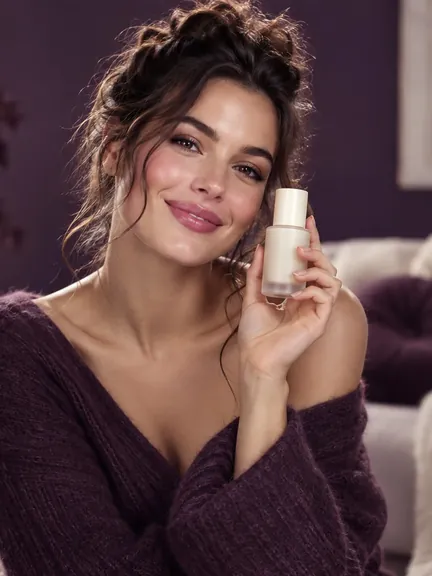
Write what the person says and the maker renders a presenter speaking it. One presenter, one script, one clip: the shape a testimonial has to take to read as something a customer actually said.
Questions
How is a testimonial video different from an ad?
It is one presenter and one script. There is no scene cut: the whole clip is the person speaking, which is what a testimonial has to be to read as real.
Can it use a real customer or colleague?
You can attach a photograph of the presenter, and the render follows it. Whoever appears has to have agreed to appear, and the claim the clip makes has to be true.
What does the script need to say?
What the product is, who it is for and what changed for the person speaking. The brief is the same three fields as every other maker, written the way the presenter would say them out loud.
How it works
Write the words
What the product is, who it is for and what changed for the person speaking. Written the way it would be said out loud, in the first person, which is the one place this maker writes differently from an ad.
Choose the presenter
Cast one from the People library, or attach a photograph of your own presenter and the render follows it. A photograph of the person is optional; a presenter is not.
Render the clip
The voice comes from the Voices library and the clip renders as one continuous piece, with no scene break in the middle. The length is the script, so a shorter script is a tighter cut.
Finish and export
Keep it upright for Reels, Shorts and TikTok, or square it for the feed. The clip lands in the library beside the films and the stills, and is exported as a file you own.
What the brief carries
The brief is three sentences: what the product is, who it is for and what the offer says. This maker also reads:
- The brief, in your own words: the textbox takes a full paragraph
- An attachment: a photograph of the presenter, optional
What it is good for
- A review that exists in prose and should exist on camera.
- A founder or a customer who is willing to be seen but cannot sit for a shoot.
- A paid-social cut of an endorsement already being quoted in the listing page.
Anyone who appears in a render has to have agreed to appear, and a testimonial has to be true: one that claims something the product does not do is a liability, whoever said it.
Open it
The studio does the work. Start a brief above, or open Make an ad and carry on with a campaign.
Open Make an ad in the studioStart from the front page
Other makers
Marketing collateralClone an adMake an adMake a flyerProduct photos